
Agreesplit
Split expenses with friends

Money between friends rarely starts as a problem. It usually begins with trust, a quick promise, and good intentions. Still, studies from U.S. consumer law groups show that informal loans between friends are one of the most common causes of personal disputes. The reason is simple. No clarity. No records. No plan if things go sideways.
This guide breaks down how to protect yourself before lending money to a friend in the U.S., without turning the relationship cold or awkward. Practical steps. Real examples. No legal maze.
Friend-to-friend loans sit in a gray zone. Not a gift. Not a bank loan. Often not written down.
Courts in the U.S. handle thousands of small claims every year, where the core issue is missing proof for money lent to friends. Judges do not rule on feelings. They rule on evidence.
Text messages fade. Verbal promises get blurry. Memory changes when money is involved.
Proof does not need to be complicated. It needs to be clear.
Common forms of acceptable proof in the USA
Cash with no record is the weakest option. Courts treat it with caution.
Rule to remember: if it cannot be shown on paper or screen, it barely exists legally.
Formal legal contracts scare people. Simple agreements do not.
A solid agreement answers a few basic questions:
Nothing fancy. Plain language. One page is enough. Friends often skip this step to avoid discomfort. That discomfort is tiny compared to months of silence later.
A small claims case in California involved a $4,500 loan between longtime friends. One side had Venmo receipts and a written repayment plan. The other side relied on verbal understanding.
The judge ruled in under ten minutes. The paper trail decided everything. Proof of debt between friends turns emotions into facts.
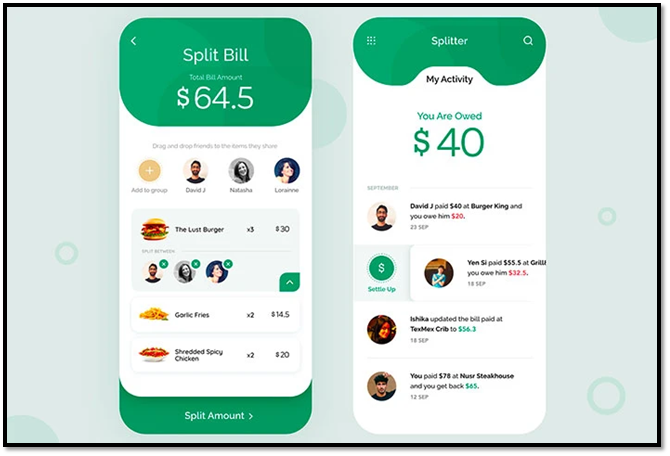
Trust is personal. Debt is factual. Good friends can struggle financially. Unexpected events happen. Job loss, medical bills, stress. Written clarity protects both sides. Borrowers know exactly what is expected. Lenders know where they stand. Clear terms reduce resentment. Silence creates it.
Calm reminders beat confrontation. Written follow-ups matter.
If things escalate, documentation becomes essential for:
Courts in the U.S. do not punish people for lending money. They punish unclear claims.
Lending money to friends does not need to end friendships. It needs structure. Proof for money lent to friends is not about distrust. It is about respect for both parties.
Written clarity protects relationships when memories fail and circumstances change. Tools that organize agreements and track obligations quietly can make this process smoother and less emotional. Agreesplit exists for that exact purpose.