
Agreesplit
Split expenses with friends
Dorm rent is due. Three roommates. Four grocery runs. One group chat is already going silent. Money stress shows up fast in student life, and most of it comes from small shared expenses that never feel urgent until they suddenly are.
For years, Excel sheets were the default fix. Rows, columns, formulas, and a quiet hope that everyone updates their part. That system is fading. US students are moving toward bill-splitting apps, and the reasons are more practical than trendy.
This post breaks down why that shift is happening, what students actually struggle with, and why apps now outperform spreadsheets in real life.
Excel looks organized on day one. It rarely survives week three.
Manual spreadsheets fail students in predictable ways:
College schedules are chaotic. Midterms, part-time jobs, social plans. Expense tracking becomes a chore instead of a tool. When tracking feels optional, accountability disappears.
A small student finance study by Everfi showed that over 60 percent of students struggle with shared expense clarity in housing situations. Most of them start with spreadsheets. Most of them abandon them.
Bill splitting apps update balances in real time. Everyone sees the same numbers. No emailing files. No “is this the latest version” messages.
That alone removes friction.
Excel is a calculation tool. Apps are behavior tools.
Modern apps focus on:
This matters in shared housing where social relationships are fragile. Nobody wants to be the roommate who keeps bringing up money.
One reason students prefer the Best Bill Splitting App for US Students is neutrality. Apps act like a third party. The numbers speak first. Not the person
A common scenario:
One roommate covers utilities for two months. Others forget. Tension builds. With an app, the balance stays visible. No emotional buildup. No resentment. That quiet structure keeps friendships intact.
Excel tracks numbers. It does not track intent.
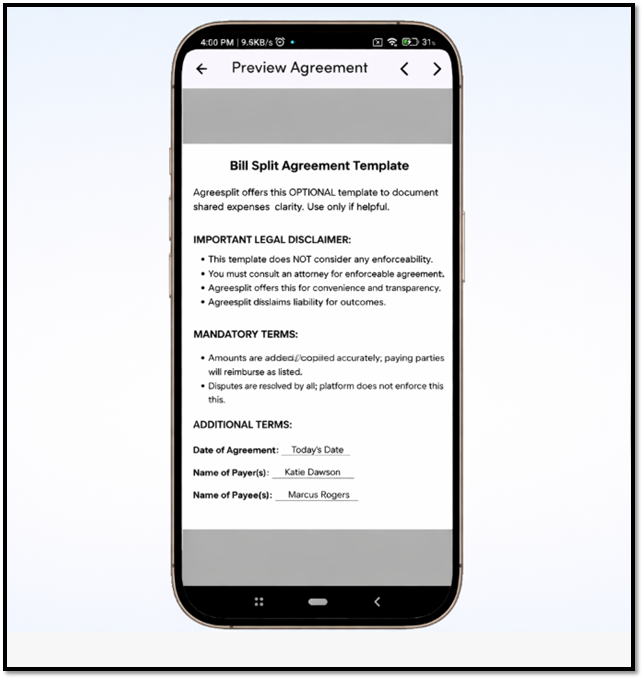
Bill-splitting apps often include agreement-style records. Even simple notes like “rent reimbursement by the 15th” change behavior.
Some platforms even support a Bill Split Agreement Template, giving students a lightweight way to document shared expectations. Nothing legal. Just clarity.
Students borrowing money for books, deposits, or travel appreciate this more than they admit.
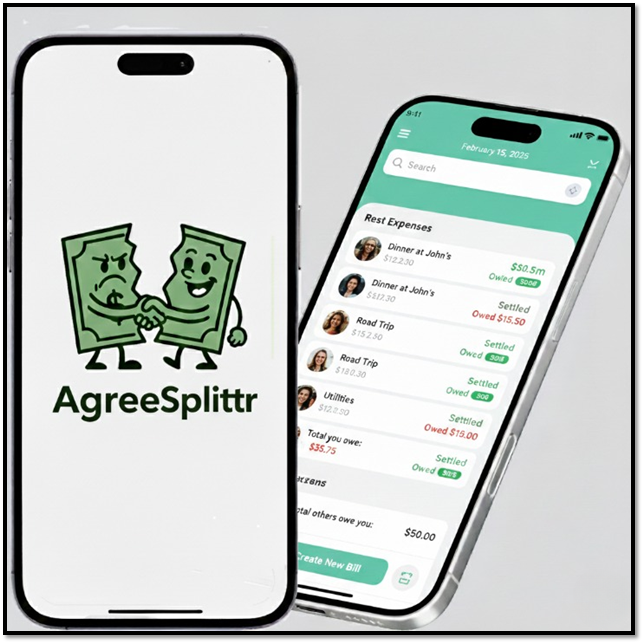
Students live on phones. Excel lives on laptops.
Apps win because they:
A USC housing survey found students were three times more likely to log expenses when the tool lived on their phone instead of a spreadsheet.
Convenience drives consistency. Consistency drives trust.
Students who moved away from spreadsheets often mention the same lessons:
The tool matters less than the structure it enforces.
Rising rent. Higher food costs. More shared living. Student finances are tighter than they were five years ago. Precision matters.
Excel still works for solo budgeting. Shared money needs shared systems.
Bill splitting apps match how students live, communicate, and manage stress. That is why adoption keeps growing across US campuses.
Manual Excel sheets fail not because students lack discipline, but because the tool ignores human behavior. Bill splitting apps succeed because they respect it. Clarity beats complexity. Visibility beats memory. Structure beats awkward conversations.
For students looking for a calmer way to manage shared money, platforms like Agreesplit reflect where this shift is heading.